Friday, May 2, 2014

Aprilia RSV1000R vs Ducati 1098S


 Aprilia RSV1000R vs Ducati 1098S


Since the inception of the Superbike World Championship, Twin-cylinder motorcycles have claimed 16 of 20 series titles, including fourteen by Ducati alone. Many a mortal man has been transformed into a legend thanks in part to the rider-friendly nature inherent with sporting Twins. Fogarty, Roche, Bayliss and Toseland all won championships on either the 916 or 999 platforms and starting in 2008 the new 1098 will fly the tri-color in competition for the boys of Bologna.


After watching its cross country rival enjoy a great deal of success with these machines, Aprilia decided to follow suit and entered the fray with a sporting Twin of its own in 1998 - and a rivalry was born. Unfortunately, despite the best effort of riders like Troy Corser, Regis Laconi and Noriyuki Haga, racing success didn't come easy for the company from Noale. Aprilia has enjoyed a successful run on the sales floor and in the eyes of journalists around the world, but those accomplishments didn't correlate to similar success on the track. After accumulating eight wins, 26 podiums and finishing third in SBK twice between 1999 and 2003, the plug was pulled on the Superbike racing program in order to focus on the company's more-successful 250 MotoGP effort. Fortunately for carving connoisseurs, the Mille lives on as one of the longest-running V-Twin sportbikes in production today.


2007 Aprilia RSV1000R - Wallpaper

The 2007 Aprilia RSV1000R (Left) and 2007 Ducati 1098S are both dark & sinister looking. But we want to know which is the bad-ass because we simply cannot stand not knowing. During the 2007 season, neither of the these machines participated in SBK, with Aprilia having pulled out of the series and Ducati's all-new 1098 not conforming with the current rules so the 999 represented Bologna one final time. That doesn't mean the two most current offerings from Italy's premier sportbike manufacturers don't deserve to have their day in the limelight. Relax and enjoy MotorcycleUSA.com's Battle of the Twins between the venerable Aprilia RSV1000R Mille and the new Ducati 1098S. Over the course of two days at Buttonwillow Raceway courtesy of Pacific Track Time, we blew through four sets of medium compound Pirelli Diablo Supercorsa tires, two clutches, a bit of elbow grease and few notepads in an effort to find out just how these bikes stack up on the track, street and the drag strip.

Aprilia RSV1000R

The Aprilia RSV 1000R as undoubtedly made its mark on the history of performance Twins. Its combination of an agile chassis, top-shelf brake and suspension components coupled with a 120-horsepower motor has been tough for consumers to ignore for nearly a decade. If there are any doubters among us, look no further than the results of the 2006 Master Bike competition for proof that the Mille is still an elite superbike in this age of In-Line repli-racers. The 2006 RSV1000R Factory was chosen as the bike of choice by a contingent of international moto-journalists and who are we to question their conclusion.


Although we were hoping to procure the Factory version of the mighty Mille for this two-bike review, there is simply not enough of them to go around. Fortunately, the majority of the differences between the two models are primarily cosmetic, with an adjustable Ohlins steering damper, rear shock and Super Corsa Pro tires at the top of a list of 'Factory' pieces which includes gold painted forged wheels, frame and carbon fiber kit bodywork components.


Aesthetically the Mille's more traditional looking design is still quite sharp. Its massive aluminum frame, dual up-swept 2007 Aprilia RSV1000R - Wallpaper
A nice back-side goes a long ways in the style department. exhaust and matte-black finish will attract attention from anyone who is drawn to exotic equipment. Fire-up the fuel-injected 60-degree V-Twin and you are rewarded with the staccato purr and rumbling engine pulses that make these performance Twins so stirring. But there's a lot to like about the Mille other than just the way it looks, feels and sounds - starting with the way it consumes corners.


On the twistiest sections of track the Mille is in its element and puts some distance on the less-nimble Ducati. The clip-on bars are set wide and low which, when combined with the nimble nature of this chassis and its short 55.8-inch wheelbase, allow it to switch side-to-side with relative ease despite weighing in at a portly 476 lbs with a full tank of fuel. Pare out the petroleum from the equation and it tips the scales at 447 lbs - still 37 more than our 1098S.
The fully-adjustable TiN coated inverted Ohlins fork and Sachs shock do an admirable job of soaking up the terrain and keeping the rubber on the road.


"I really like the way the Aprilia maneuvers in the corners. For how big of a machine it is, it turns incredibly fast: Faster than the 1098," explains our second test rider, Associate Editor Adam Waheed.


Despite the fact that the motor sounds raucous and ready to go, it doesn't exactly come on with authority compared to the 1098S - and that's where it loses the ground it gained in the corners. Considered on its own, the Mille makes pretty good power, pulling in a very linear fashion until its 117-horsepower peak at 8300 rpm. The 64.8 lb-ft of torque seems impressive too, but it gives up 15 lb-ft from seven grand through redline to the 1098. As you can s Once in a while a comparison of dyno results doesn t always reflect how different two bikes feel in the real world but that is not the case here. The Ducati 1098S has the Mille covered from start to finish and once the revs climb past 7K the Ducati leaves the Mille in its dust.
The Aprilia RSV1000R delivers its muscle best when the tach is above 9 grand, but even then the Ducati 1098S takes the Horsepower Dyno bragging rights with an impressive 140 reading. ee in the accompanying dyno graph, the Mille is at its best when kept above nine grand. It's crucial to keep it in the meat of the power if it wants to keep the lighter and more powerful Ducati in its sites on the track.


Even at the drag strip, the Mille is at a disadvantage as it finishes a half second and eight mph behind the Duc with a best uncorrected run of 11.03 at 127 mph.


"The 1000cc engine was lifeless compared to the 1098," explains Waheed. "It had a very flat midrange and seemed to only accelerate at a decent clip when the engine was kept at the upper edge of the rpm. Gearing was very tall and the gears were widely spaced too. This makes it hard to keep the engine in the meat of the power."


Ground clearance is certainly not an issue on either of these bikes. Here s Adam doing his best to try and grind down the peg feelers anyway.
The RSV1000R is a serious carving machine. An interesting side-effect of the less aggressive power delivery is the need to keep corner speeds high and the stellar Brembo front brakes allow for very precise modulation of scrubbed-off speed. The braking prowess of the four-piston radial-mount calipers, braided steel lines and 320mm rotors provides a level of feel and control most sportbike riders can only aspire to be able to use completely. The rear brake is absolutely worthless though. Literally, it does not work worth a hill of beans, continuing the long-standing tradition of miserable rear brakes on Aprilia sportbikes. Corner entry is definitely a thrill on the Mille. Aided by its PPC power-assisted pneumatic version of the slipper-clutch and an OEM steering damper, the Aprilia is right at home hustling along on either the tightest streets or the most technical tracks. It's easy to ride smooth and is forgiving enough that even when you get things wrong these components help keep things manageable.


In a nutshell, the $13,699 Aprilia RSV1000R is an incredible sportbike wrapped in bold bodywork that turns heads and conjures up images of apex strafing for the knee-draggers among us but, where it comes up a bit short, is in the motor department. Our Dynojet 200i revealed a best run of 117 hp and that is just simply not enough to give the more powerful Testastretta Evoluzione motor of the 1098S a run for its money on the street or the track. These numbers are all relative, however, as a skilled rider can squeeze the best out of a bike like the Mille and have little to complain about because the base platform is there - it just needs a bit more motor to keep us happy.


Ducati 1098S 

After `suffering' with Pierre Terblanche's 999 for over a half decade, Ducatisti have been rewarded for their unwavering dedication and support of the controversial design with a new and improved sporting Twin to hang their hopes on: The 2007 Ducati 1098 and 1098S. In the hearts of our testing crew the Triple Nine was an exciting bike but like most good things, it wasn't without faults. Despite three World Superbike titles, the 999 was often maligned as not being a proper heir to the Ducati sporting legacy. While Terblanche abandoned the sexy lines and single-sided swingarm for an industrial-looking Formula 1 freight train on the 999, the 1098 Project Design Leader Gianandrea Fabbro brings the single-side swingarm, dual exhaust and plain and simple styling back with a vengeance. Whether the Ducati 1098S or the Mille are your cup of cappuccino depends on your taste in motorcycles, because they take very different approaches to their styling.


Climb on board the 1098S, turn it on and you are treated to a symphony of whirling electronic gizmos and lights that let it be known you have a technological marvel at your disposal. The bodacious Digitek LCD dash board has the text `1098S SBK' scrolling across it while it goes through its ritualistic diagnostic cycle upon start up. Besides that bit of blatant self promotion, the info system is actually one of the most useful on the market today with a speedo, tach, cool gear-position indicator, clock, gas gauge, trip meters and nifty features like remaining fuel range, oil temp, average fuel consumption, average speed and the immobilizer. What's next? Integrated iPod docking station with Bose sound system? It also doubles as the DDA data acquisition system, which combined with the adjustable Ohlins fork, shock, steering damper and forged Marchesini wheels (rather than cast) are the difference between the $14,995 standard and the $19,995 `S' version.


When sampling the 1098S for the first time the initial taste of Italian cuisine is the sensory assault that the Testastretta Evoluzione motor offers. The mill rumbles in concert with the incessant rattling of that Ducati dry clutch. Dab the adjustable shift lever and the bike quivers as it notches precisely into first gear. Release the somewhat stout radial-actuated clutch lever and dial in some throttle and things get underway without as much drag as the long-legged Mille requires. Gearing feels a bit tall, but the bike has the motor to torque past the surges from it resisting rolling at any speed under 30 mph. Twist that right grip and the front wheel comes up quickly. Run the 1098S through a few of its remaining five gears at even three quarter throttle and there will be no doubt that this bike means business. You had better be on your toes because the new flagship Ducati wants to haul ass even if you don't. The growl emanating from the dual underseat exhaust is music to wail by. 2007 Ducati 1098S - Wallpaper
After loyal Ducatisti lamented the lines on the 999, Ducati designer Gianandrea Fabbro delivers a lust-worthy looker in the 2007 Ducati 1098S.
And wail it does. It's difficult to let it all hang out on a stock bike, let alone one worth twenty grand, but we did the best we could. Generally speaking, the 1098S hauls the mail. This bike has narrowed the gap on the In-Line competition not only in terms of outright production of power but also in terms of sheer speed. Plus, it does so in a bit more usable fashion than the Big Four bikes do. Get a good drive and the Ducati is going to give any literbike a run for its money, which means it leaves the Mille sucking fumes. Even if you don't get a good drive, the Aprilia just doesn't have the snort to hold this bad boy off. It simply owns the RSV in the motor department.


This latest iteration of the Evoluzione features a high-revving oversquare design with a 104mm x 64.7mm bore and stroke. The 1099cc of actual engine displacement gets squeezed to a high 12.5:1 compression ratio. Above, redesigned heads house Ducati's distinct Desmodromic valve train and redesigned, more-direct intake tracts which increase airflow to the massive 42mm intake valves. The L-Twin is fed by a Marelli electronic fuel injection system featuring large elliptical throttle bodies. The 34mm exhaust valves unleash spent gasses through a pair of dual underseat mufflers. The new layout feels much more powerful than its 140 horsepower would lead you to believe.


"The Ducati motor pulls like a tractor. I love this engine! It's the equivalent of a 450cc motocross machine wrapped up in sexy Italian bodywork. It's got a super wide powerband and pulls cleanly from around 5000 rpm," comments Waheed.


The new 1098 chassis traces its heritage directly to the track. Both World Superbike and MotoGP racing experience combine to improve the overall handling of the 1098S. It steers a bit quicker and is much more stable as well. Between the fully-adjustable 43mm inverted Ohlins fork, matching rear shock and retuned frame, feedback and stability are excellent. Too bad this impressive combination doesn't match the Mille in the more busy sections of Buttonwillow. While the 1098S requires a bit more effort to muscle around than the Mille, it still is an improvement over the sluggish feeling we recall whining about on the 999. But there's something inherently good about this bike, an intangible characteristic that encourages the rider to push harder and harder because it's a very capable bike - whether or not the rider is up to the challenge is the biggest obstacle.


"The Ducati turns side-to-side well, but it's still slower than Aprilia," explains Heed of the 1098's agility. "It feels very good when cranked over on its side and inspires a lot of confidence. However, while the fork has very smooth action it does have a weird feel to it when it's close to bottoming out."


Other than quick side-to-side transitions, everything just seems to happen more rapidly on the 1098S. The new chassis invites the rider to go faster through the turns and the mondo motor can just as easily get you into a corner too hot or make a good drive out of nothing if you panic brake too hard on the way in.


Who is this guy and why does he insist on looking at the camera all the time  Oh yeah  here s the 1098S on one wheel.

With its sexy lines and monster motor, the 2007 Ducati 1098S earns top honors it this battle of the Italian Twins.

"Throttle, engine, chassis and the rider-bike relationship has a very intimate feeling," gushes Mr. Waheed. "I've never felt that kind of response and feedback from any other motorcycle, period."

While the brakes on the Aprilia are good, the Ducati's Brembo Monobloc 4-piston caliper and 330mm rotors brakes are the heat. Every session we gained more confidence in the Duc's binders - going deeper and faster into Buttonwillow's fourteen bends. Not once did the new brakes waver or fade. However, they howl louder and wilder the harder the radial-actuated lever is pulled. Scary? You bet. Awesome? Uh, yeah. The 1098S elevates class standards in braking performance - and guess what? The rear brake works too.


In fact, every piece of the Ducati 1098S works, from the headlights to its entirely new styling. The swingarm is a piece of art, and the slick-looking wheels are considerably lighter than the units on the Mille. Even the return of the dual underseat exhaust system this bike is purpose built - it's intended to rekindle the relationship between Ducatisti and Ducati's flagship Superbike. With showrooms devoid of any 1098s and a waiting list three times as long as the number of units the company is even capable of producing, it's a safe bet to say Fabbro accomplished the task and solidified his place in Ducati history before the bike has even had an opportunity to turn a wheel in competition.


Conclusion

That really sums up this battle of the Italian Twins. While the Aprilia has all the goods on paper and was the bike to beat in the discerning minds of journalists from around the world, it's feeling a bit long in the tooth compared to the new kid. The 1098S is an amazing motorcycle. It holds its own in the handling department, which makes it a formidable track tool in the hands of any competent scratcher with a taste for the finer things in life. Additionally, this motor has closed the gap on the open-class sportbikes and distanced it from the traditional Twins. All this and it boasts a fresh new look that seems to be quite a hit with the Terblanche-haters of the past generation. A return to the gimmick-free design and wildly popular single-sided swingarm combine to give it an advantage in the techo-trickery category over the comparatively basic Aprilia.


With its decided advantage on the dyno, scales and at the drag strip supporting its better overall rating on the track, the 2007 Ducati 1098S wins this Twins comparison going away.


Wednesday, April 30, 2014

Top 10 Fastest Motorcycles in the World 2014


Unlike cars, motorcycles do not experience the same technological revolution. While the four-wheeled drives move towards automation and technology, bikes settle for speed and power and the selection range is quite impressive. However, an impressive bike is either super-fast or super-luxurious. It seems that it is never both at the same time. For the time being, here is the top 10 fastest motorcycles in the world 2014 that can be found on the market today.

10. Ducati 1098 Series


 Ducati 1098 Series


Using a 1099 cc engine cranking up around 160 HP, the Ducati is one of the fastest bikes in the world. It is also one of most bought superbikes. It can reach up to 169 miles per hour using its highly efficient four valves per cylinder engine. It is affordable, fast and good looking. Ducati made sure that their motorcycle will surely become one of the kings of the street.

9. BMW K1200 S

BMW K1200 S


The K1200 S is just 5 mph faster than the Ducati. Even it its price is bit higher, the extra top speed makes it land safely on the ninth position. The current edition of the bike that is commercially available uses a 16 valve 4 cylinder engine that generates 164 HP at 10250 RPM. The manufacturers did not neglect the design of the being as it is one of the best looking bikes from the list.

8. Aprilia RSV 1000R Mille

Aprilia RSV 1000R Mille


The 1000R Mille is an Italian bike using an Australian engine. It is one of their most famous models that is still being used in competitions, especially the RSV 04 model. The engine is only 998 cc but can reach 175 MPH. It is capable of a maximum output of 141 HP at 1000 RPM which sets it a bit back in terms of power but the speed of the bike makes it worth of being listed in the eighth position.

7. Kawasaki Ninja

Kawasaki Ninja

For about one decade, the Ninja model held the trophy of being the fastest bike that went in production. The series is still being produced today and there is no sign of Kawasaki discontinuing it. The currently available model uses a 11.352 cc liquid cooled engine capable of reaching 186 MPH or 299 KMPH. These numbers made it the fastest consumer available bike for quite some time and still remains one of the most known models of the manufacturer.


6. MV Agusta F4

MV Agusta F4


MV Agusta F4 was initialy manufactured by the Italian automotive giant Ferrari. It was meant to become a luxurious motorcycle but it turned out that the buyers were more interested in its speed more any other feature. With its powerful 200 HP engine, the bike proved to be one of the fastest accelerating motorcycles capable of reaching 185 MHP.

5. Yamaha YZF R1

 Yamaha YZF R1


Some call it a true liter class due to its 1000 cc engine which actually got it closer to what some might say a true racing motorcycle needs. This power is coming from a 4 cylinder 20 valve engine with a maximum output of 128 HP and a maximum speed of 186 MHP.

4. Honda CBR1100XX Blackbird

Honda CBR1100XX Blackbird


Some call it a super bike, others named it a tank on two wheels. The Honda CBR1100XX Blackbird is truly one of the fastest bikes ever made to date. With its top speed of 190 MPH, the 153 HP make it a beast on the road. To make this happen, Honda borrowed elements from the Kawasaki ZX-11 to make up for a highly appreciated sport touring bike.

3. MTT Turbine Superbike Y2K

MTT Turbine Superbike Y2K


For some time, it held the Guinness World Record for the fastest production motorcycle. The original model was introduced back in 2000 and even today, after more than a decade, it still stands in the top 3 world fastest. It can reach a top speed of 227 MPH and generates 320 HP at 52.000 RPM.

2. Suzuki Hayabusa

Suzuki Hayabusa


The series kicked off in 1999 and with the introduction of the of the 1340 cc engine capable of a maximum output of 197 HP, the Hayabusa was capable of reaching 248 MPH. Such power is difficult to match at truly earns the number two spot.

1. Dodge Tomahawk

Dodge Tomahawk


With only 9 units produced, the Tomahawk is the fastest motorcycles ever build. Using a 500 HP V10 engine taken from a Dodge Viper, the model is difficult to match in terms of power. Theoretically, the bike can reach 350 MPH but at that point, the laws of physics and aerodynamics would make it fly off the road. Today it is the fastest bike but time will tell if manufacturers will attempt to build something even more powerful.


Monday, April 28, 2014

Ducati Motorcycle Parts

If you have a Ducati Hypermotard then you have several upgrade options to choose from when shopping for Ducati motorcycle parts. Your first option is to upgrade your exhaust pipes. One exhaust upgrade that you can buy is the Carbon Homologated Silencer Kit. This is a 2 in 2 carbon silencer that has been designed with titanium sleeves. This exhaust kit will not only help you to reduce the noise level of your Hypermotard, but it will also help to control its emissions. Your second option for upgrading your Hypermotard exhaust system is to buy the Complete Racing Exhaust Assembly Kit. This kit is a racing 2 in 1 exhaust assembly. It offers a stainless steel manifold, carbon silencer and titanium sleeves. There are two advantages of this exhaust upgrade. First of all it reduces the weight of your bike by 7 kilograms and secondly it improves your bike's performance.

The next Ducati motorcycle parts that you can buy for your Hypermotard are racing camshafts. These parts are designed to improve the engine's performance. To make sure that these parts create the most benefits for your bike you will want to install the Complete Racing Exhaust System on your bike in conjunction with the racing camshafts.


Now that you know what Ducati Motorcycle parts will make your bike go faster, you next need to know what parts will help you to slow down. The Racing Brake Caliper Kit is a part that your bike needs if you plan on racing. This product is made from a one piece aluminum casting and it includes a dedicated front brake line.

To get your Ducati pointed in the right direction you may also want to shop for Ducati motorcycle parts that will improve your bike's steering and control. One part that you may be interested in is the Cross-Mounted Aluminum Steering Damper. This part is designed to improver your bike's front end stability, which will help you to remain in control of your bike no matter what riding style you have.

In addition to a superior line of motorcycles, Ducati also offers a great line of custom bike accessories. These accessories include items like Ducati Monster upgrade, racing bike parts, 1098 accessories, engine performance upgrade kits, wheel upgrades and bike covers. Wrecked motorcycles, salvaged parts and accessories from major manufacturers such as Harley-Davidson, Ducati, Henderson, Yamaha, Buell and Kawasaki. Find the parts you need to repair your bike or restore a vintage motorcycle as a hobby or profession


Saturday, April 26, 2014

2014 Ducati Monster 1200 S Test Ride

2014 Ducati Monster 1200 S Test Ride

2014 Ducati Monster


On-Sale Date: April 2014

Base Price: $13,495 to $15,995

Competitors: Aprilia Tuono V4 R APRC ABS, Kawasaki Z1000, Triumph Speed Triple R

Powertrains: 1198-cc L-twin, 135-145 hp, 87-92 lb-ft; six-speed manual; RWD

EPA Fuel Economy (city/hwy, mfr. est.): N/A

Ducati's Monster has been roaming the road for two decades, but the naked Italian bike wasn't always as menacing as its name might suggest. While early variants linked the fairing-free, exposed-frame design to its super-bike siblings, the second-gen model sported a lighter body and a milder 100-hp engine. That was Ducati's most powerful air-cooled twin to date, but still a mellow mill compared to its fully faired counterparts.

The all-new, third-gen model does not seem dramatically different at first glance, but the upgraded bike boasts an extensive series of upgrades. Most notably, the air-cooled engine has been switched to a large, liquid-cooled 1198-cc twin derived from the same powerplant found in Ducati's Diavel and Multistrada. Output eclipses the outgoing 1100 EVO model by a wheelie-popping 35 hp (or 45 hp with the S model). Weight gain is incremental—in this case, a climb of 28 pounds to 461 pounds, total. That lends this two-wheeled creature a fearsome power-to-weight ratio.


But the new Monster has a softer side found in ergonomic improvements such as the grips, which are now closer to the rider, and a bigger, thicker-foamed saddle. Yet there is no shortage of go-fast bits, including big Brembo monoblocs (which, in the S model are almost identical to the ones you'll find on the Panigale super bike).

While electronic management systems are nothing new in the motorcycle realm, Ducati was among the first to orchestrate different parameters through a cohesive, rider-selectable menu. The Monster's MotoGP-style LCD panel manages the bike's electronics interface, enabling three ride modes: Sport, Touring, and Urban. The settings manage engine output, throttle response, brake threshold, and an eight-way traction-control system. Digging deeper into the menus when the bike is stationary enables more customization within each mode.

Although it boasts the visual swagger of a Sicilian prizefighter (and a boisterous exhaust note that puts most of its polite Japanese counterparts to shame), the Monster launches off the line with virtually none of the low-end driveline chatter of its predecessor. The power lays on thick and heavy like a spicy ragout on penne, yet steering is light and accurate, making it easy to place the front wheel for cornering. Stopping power seems to come from an endless well, but without the harsh initial bite we experienced on the Panigale model (thanks goes to a less aggressive master cylinder). Toss the Monster into a curve, and the chassis—which is nearly 100 percent stiffer than the previous bike's—obeys with alacrity.


The 1200 S model we wrestled on the West African island of Tenerife (which, at 12,198 feet, is the highest peak in the Spanish kingdom) wore a trick Öhlins suspension and larger brakes, both upgrades from the base model. Switching through each of the riding modes felt markedly different, with Urban exhibiting the sort of mild tractability you'd expect from a starter bike. Conversely, Sport delivers edgy responsiveness. We found Touring best suited to our high-speed, technical riding exploits, as it offered the full 145 hp but delivered them with a smoother throttle response, making our two-wheeled expedition turn the road into a constantly unraveling bow on top of a giant, joyful present.

By the bottom of the mountain at the end of the day, the Monster felt like anything but. Although power was copious when called upon, its longer wheelbase and comfortable perch raised our confidence and gave us a commanding cockpit from which we could attack the road. It's rare that a motorcycle can play the roles of Jekyll and Hyde so completely, but in this case the Monster's menacing moniker only tells half the story. 


Thursday, January 2, 2014

Overmile by Krugger Motorcycles


Krugger Motorcycles

Krugger Motorcycles
Krugger Motorcycles krugger motorcycles: Today we are taking a look at one of his earlier work, from 2009 called ‘Overmile’. Also a competitor at the AMD World Championships, Overmile finished a respectable third place in the 2009 Freestyle Class.
krugger motorcycles
Built as a tribute bike to the XR 750 which Fred Krugger says, is his favorite bike. Overmile is powered by a 103’ S&S engine and a flipped Baker 6 speed Powerbox, air ride shocks, Beringer In board braking and a twin scrambler styled stainless steel exhaust system.
Krugger Motorcycles
krugger motorcycles
Overmile is a retro looking motorbike packed with modern technology. The Gasoline is on the back fairing (2 gallons), oil tank is on the left side cover (0.8 gallons), air compressor, 25 amp battery and some electricals on the right side.
krugger motorcycles
Krugger MotorcyclesThe frame and the swingarm are in-house fabricated by Fred Krugger. The bike’s suspension is helped by Fournales airride with integrated compressor. At the front Overmile features Öhlins front forks and a retro styled headlamp. Looking at the picture you will notice the seat of Overmile has been split in two.
krugger motorcycles
Fred Krugger’s Overmile rolls on 21′ front spoked HD Wheels and HD 20′ rear wheels both wrapped in Avon tires. The bike was painted by El Cheapo in cream with Krugger written over in a silver finish. In the end what we have is a motorcycle packed with power and performance with a mix of Café, Scrambler and Retro Style.
Krugger Motorcycles
krugger motorcycles


Monday, December 30, 2013

Comparing Two Super Bikes - Yamaha R1 VS R6

Comparing Two Super Bikes - Yamaha R1 VS R6

Let me start with the introduction of R1.
Comparing Two Super Bikes:  R1 can storm from not to 100 km/hr. in less than 3 seconds and go about a top speed of 300 km/hr. This level of performance is impossible to measure on urban roads. So, we were on a race track to get the true feel of the 'World's Super Bike Race' winner.
Those of you who know super bikes might be a little disappointed 2012 version of this bike because it looks exactly like its previous models apart from color changes. But if you look closer, there are a couple of detail changes.
The overall shape of the bike remains the same but it has a big nose with bigger L.E.D lights to give an attractive headlight look. It's more aerodynamic too.


This bike has basically the same engine that it had last year. Asking about the new thing, it has an updated E.C.U (Engine Control Unit). It may be an inline four-cylinder engine but what sets it apart from other inline four-cylinders is the way it makes it power. It's Yamaha's crank design and a change in the firing order of its four cylinders, it gives that special character. The connection between the throttle, rear tire and the road feels more alive and you feel more in control. The 2012 model has introduced an extra and very important feature to keep you safe, the Traction Control.
The T.C.S. or the Traction Control System has six settings. On number six you can catch the fun nice and early and on number you get a lot more slides before it starts to get speed. You can change the settings by a switch on the left handle bar.

But, how does the T.C.S. work?
There is a sensor on the front and rear wheel of the bike. When the rear wheel starts turning faster than the front, the system understands that it should maintain a balance. So it starts adjusting different parameters such as ignition timing and throttle opening and brings everything under control.
You can also turn this system off. But, I would suggest you to leave it to the experts.
Now let me talk about the king of 600 cc sports bike. Yes, I am talking about the Yamaha's R6.
If R1 is all about the engine, then R6 is all about the handling. The smaller size and comparatively less weight allow this bike to turn much more quickly which makes it easier to hustle around the track. Nothing much has changed this bike and it doesn't needs to. It is still the best bike under the 600 cc category.
This bike has only 600 cc four-cylinder engine and 50 horsepower less than R1. So, ultimately it is not as quick as the latter. But, this doesn't make it a soft option. In many ways, this bike is a hardcore option. It is a focused track weapon.
Conclusion:
R1 is the best choice if you are looking for speed and power. But, if you want control, handling and a perfect design, I would suggest you to go for R6.

Comparing Two Super Bikes


Friday, December 20, 2013

New To Motorcycles? Learn The Basics

Interested in motorcycles? Who can blame you! Motorcycles reek of coolness, but before you jump into the motorcycle riding scene, you need to learn the basics of the bike!
Stand Up Straight Please

It's mind boggling how they do it, but motorcycles stay upright while they are moving due to some pretty advanced physics. A still motorcycle will lean over without some sort of support. But a moving motorcycle will stay upright without much effort thanks to a couple of little things called angular momentum and torque.
To see these physics at work, imagine that you're holding a bat in your palm with the heavy end up. It's going to tip over, right? It's too unsteady. Now imagine that you're wiggling your palm in an effort to always keep it directly under the heavy end of the bat. Suddenly the bat is steady. That's how motorcycles stay upright.
Driving forward on a motorcycle thanks to the power and torque provided by the engine, the rider (or the palm in our example) is constantly moving the bike (the bat in our example) to keep it directly inline with the center of gravity (that is, the heavy end of the bat in our example).
Yes, I know I am over-simplifying with this example. But in fact, it's basically the forward momentum and the rider constantly adjusting the center of gravity that will keep the motorcycle upright.
Going, Going, Go
Regardless of the varying motorcycle designs produced over the years, most bikes include some pretty standard operating configurations.
One of those is the arrangement of elements in the steering mechanism (the handlebar). On the right handle is the throttle and twisting it backward will give the engine more gas so the machine will accelerate (as long as the brakes are off). On the left handle is the clutch lever. Pulling it in and then releasing it will enable you to change gears. Some motorcycles have automatic shifting, but they are far and few between.
The gearshift on a motorcycle is normally under the rider's left foot. Riders will squeeze the clutch lever (left hand), ease off the gas (right hand), and move the gear shift up or down (left foot). Releasing the clutch (left hand) and twisting the throttle backward (right hand) will make the motorcycle move forward.
As you can see, there's a lot of left-right hand and foot action going on here and it's going to take a bit of practice to get it right. It'll be difficult to grasp at first, but with some practice, it becomes second nature.
Stopping the Motorcycle
Now that you know how to "go," it's time to learn how to stop! Attached onto the right handle grip is the front brake lever. This lever gives the motorcycle most of the friction it needs to slow down (about 80%). The friction is caused by pads squeezing against a metal disc (or drum in older bikes) in the center of the wheel. Since this particular lever is so powerful, it can even flip a bike if it's pulled too fast especially on downward slopes.
The rear brake lever is next to the right footrest. When it's pressed, it engages the rear brake mechanism. Push it too hard and you will make your rear tire skid.
Both, the rear brake lever and the front brake lever, will eventually bring a bike to a complete (but not necessarily) controlled stop if used individually. It's the correct combination of front and rear break power that will bring a bike to a smooth stop. Constantly pumping either one however will unduly wear your brakes down and loosen their effect ahead of time.
Bikes that have linked braking systems work a little differently. With this kind of system, the rear brake works with the front break because it engages part of it. As with the more traditional types of brake systems on a motorcycle, it's the combination and simultaneous use of both brakes that creates smooth stops.
So now you know how to go and stop. But what about turning the motorcycle off in an emergency? Almost every motorcycle today has a kill switch you can use in case need to hurry up and turn the thing off for whatever reason (failing brakes, you fall off, etc.).
Is that all I need to know?
Of Course not! There's a lot more to motorcycle riding but the above should give you a good idea of the overview.
Not all motorcycles operate in the same manner so some of things will work differently -- especially if you're attempting to ride an older bike that uses a kick starter! Newer models may offer GPS systems, custom suspension, and electronic de-fogging mirrors -- things that I haven't even touched on.
Remember to always wear your protective gear and enjoy the ride!
About the Author
Passionate about motorcycles, Daniel Levy is the owner and/or contributing writer of different motorcycle 


Monday, November 25, 2013

How to Preserve Your Car's Battery


How to Preserve Your Car's Battery


How to Preserve Your Car's Battery

The battery in your car is an essential piece of equipment that ensures that your car will be able to run. If used correctly, your car's battery will run for a long time without needing to replace it. If used improperly, then your car battery could die prematurely. This could require you to jump your battery - giving your battery the necessary charge to get it started again - or worse, replace the battery entirely.

The good news is that it is very easy to preserve the life of your battery if you are mindful of how and when you are using your car. Batteries can be expensive and the procedure to have them replaced can be costly as well. Preserving the life of your battery can ultimately save you a lot of money that would go towards battery repair and replacement costs or unnecessary roadside assistance costs. In order to preserve the life of your battery, and save money in the long run, 
read on to see a couple of tips on how to avoid overburdening your battery, and draining it in the process:
Avoid Aftermarket Products

Car manufacturers understand what goes into their cars, and the choices they make for appliances are very deliberate. These decisions are made to ensure that the power that goes into your car is used primarily to power your car, not just the appliances. But installing aftermarket products, like bigger stereos, can drain your car's battery even when they aren't in use. This will cause your battery to die much sooner than if your car only used the factory issued stereo.

Popular Mechanics explains that aftermarket stereos are often plugged directly into the battery and when they are turned off they often go into "stand-by" mode. This means that the stereo is still using some of the battery's power even while it is not in use, resulting in wasted power and a dead battery. If you are using aftermarket products like stereos then it is important that you monitor your battery's life. If you start to notice that your car is having trouble getting started or any other mechanical problems, you will want to get your battery checked, as this may be a sign that your battery is dying.

Don't Leave the Key in the Ignition when the Car isn't in Use

Many people absentmindedly leave their keys in their cars. This can lead to all sorts of unpleasant scenarios, including locking your keys in your car or misplacing your keys altogether. Sometimes drivers will turn off their car and leave them in the ignition for extended periods of time. Maybe you are waiting to pick up a friend, or maybe there was a song on the radio you wanted to finish. Whatever the reason, leaving your key in the ignition while your car isn't running is bad for the battery.

Your car's battery is what is keeping all of your car's amenities - radio, A/C, etc. - running while the engine isn't. And by using your car while it isn't running, you run the risk of killing your battery prematurely. In order to make sure that your battery will last as long as you need it to, it is best to take your key out of the ignition and not use anything in your car while it is not running. In some cars the battery will stay on even if the key is in the off position if it is still in the ignition. So as a best practice always remove the key from your ignition when the car is not in use.


The battery is an essential part of your car. Without it your car won't be able to take you anywhere. In order to keep your car in good shape keep your battery in good shape and make sure to check it frequently if it is working properly.

Beck & Masten North sells top of the line extreme trucks and lift accessories in North Houston. We have everything to meet your Extreme Truck needs, whether it's a standard suspension lift or Moto Metal rims. If you are searching for truck dealers in North Houston using the keywords Houston lifted trucks or lifted truck accessories Houston, come visit our showroom.


Friday, November 22, 2013

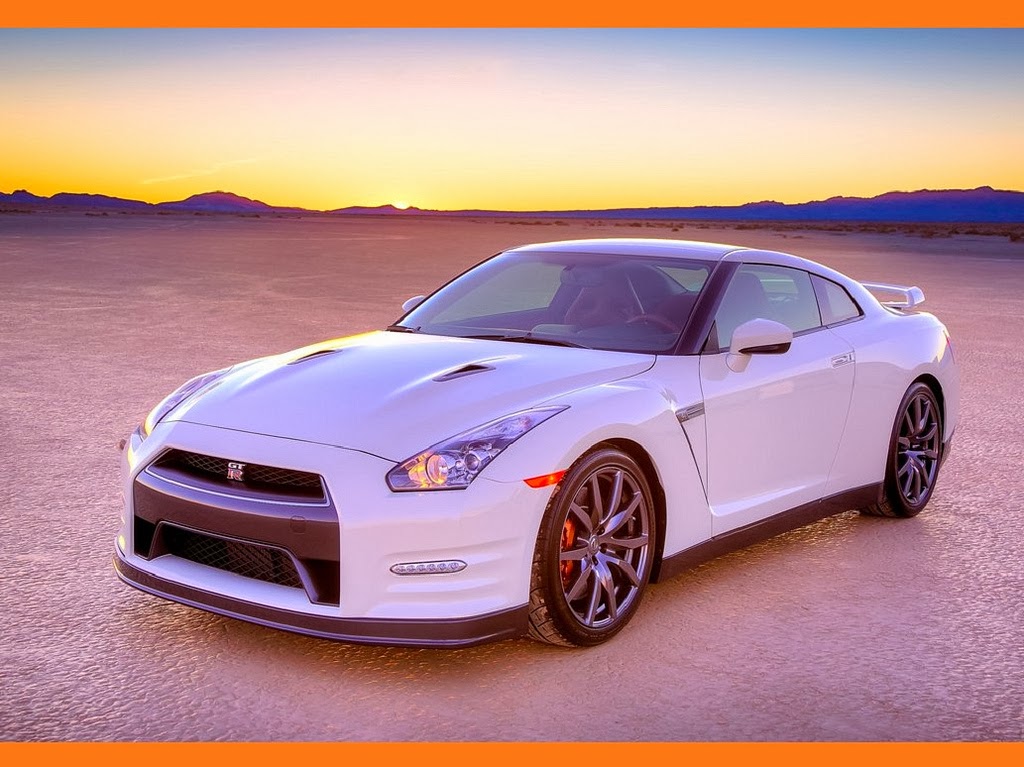
nissan 2014


nissan 2014

nissan 2014

nissan 2014

nissan 2014

nissan 2014

nissan 2014

nissan 2014

nissan 2014

nissan 2014

nissan 2014

nissan 2014

nissan 2014

nissan 2014

nissan 2014

nissan 2014

nissan 2014

nissan 2014

nissan 2014

nissan 2014

nissan 2014

nissan 2014

nissan 2014

nissan 2014

nissan 2014

nissan 2014

nissan 2014

nissan 2014

nissan 2014

nissan 2014

nissan 2014

nissan 2014

nissan 2014

nissan 2014

nissan 2014

nissan 2014

nissan 2014

nissan 2014

nissan 2014

nissan 2014

nissan 2014

nissan 2014

nissan 2014

nissan 2014

nissan 2014

nissan 2014

nissan 2014

nissan 2014

nissan 2014

nissan 2014

nissan 2014

nissan 2014

nissan 2014

nissan 2014

nissan 2014

nissan 2014

nissan 2014

nissan 2014

nissan 2014

nissan 2014

nissan 2014

nissan 2014

nissan 2014

nissan 2014

nissan 2014

nissan 2014

nissan 2014

nissan 2014

nissan 2014

nissan 2014

nissan 2014

nissan 2014

nissan 2014

nissan 2014

nissan 2014

nissan 2014

nissan 2014

nissan 2014

nissan 2014

nissan 2014

nissan 2014

nissan 2014

nissan 2014

nissan 2014

nissan 2014

nissan 2014

nissan 2014

nissan 2014

nissan 2014

nissan 2014

nissan 2014

nissan 2014

nissan 2014

nissan 2014

nissan 2014

nissan 2014

nissan 2014

nissan 2014

nissan 2014

nissan 2014

nissan 2014

nissan 2014

nissan 2014