Wednesday, April 30, 2014

Top 10 Fastest Motorcycles in the World 2014


Unlike cars, motorcycles do not experience the same technological revolution. While the four-wheeled drives move towards automation and technology, bikes settle for speed and power and the selection range is quite impressive. However, an impressive bike is either super-fast or super-luxurious. It seems that it is never both at the same time. For the time being, here is the top 10 fastest motorcycles in the world 2014 that can be found on the market today.

10. Ducati 1098 Series


 Ducati 1098 Series


Using a 1099 cc engine cranking up around 160 HP, the Ducati is one of the fastest bikes in the world. It is also one of most bought superbikes. It can reach up to 169 miles per hour using its highly efficient four valves per cylinder engine. It is affordable, fast and good looking. Ducati made sure that their motorcycle will surely become one of the kings of the street.

9. BMW K1200 S

BMW K1200 S


The K1200 S is just 5 mph faster than the Ducati. Even it its price is bit higher, the extra top speed makes it land safely on the ninth position. The current edition of the bike that is commercially available uses a 16 valve 4 cylinder engine that generates 164 HP at 10250 RPM. The manufacturers did not neglect the design of the being as it is one of the best looking bikes from the list.

8. Aprilia RSV 1000R Mille

Aprilia RSV 1000R Mille


The 1000R Mille is an Italian bike using an Australian engine. It is one of their most famous models that is still being used in competitions, especially the RSV 04 model. The engine is only 998 cc but can reach 175 MPH. It is capable of a maximum output of 141 HP at 1000 RPM which sets it a bit back in terms of power but the speed of the bike makes it worth of being listed in the eighth position.

7. Kawasaki Ninja

Kawasaki Ninja

For about one decade, the Ninja model held the trophy of being the fastest bike that went in production. The series is still being produced today and there is no sign of Kawasaki discontinuing it. The currently available model uses a 11.352 cc liquid cooled engine capable of reaching 186 MPH or 299 KMPH. These numbers made it the fastest consumer available bike for quite some time and still remains one of the most known models of the manufacturer.


6. MV Agusta F4

MV Agusta F4


MV Agusta F4 was initialy manufactured by the Italian automotive giant Ferrari. It was meant to become a luxurious motorcycle but it turned out that the buyers were more interested in its speed more any other feature. With its powerful 200 HP engine, the bike proved to be one of the fastest accelerating motorcycles capable of reaching 185 MHP.

5. Yamaha YZF R1

 Yamaha YZF R1


Some call it a true liter class due to its 1000 cc engine which actually got it closer to what some might say a true racing motorcycle needs. This power is coming from a 4 cylinder 20 valve engine with a maximum output of 128 HP and a maximum speed of 186 MHP.

4. Honda CBR1100XX Blackbird

Honda CBR1100XX Blackbird


Some call it a super bike, others named it a tank on two wheels. The Honda CBR1100XX Blackbird is truly one of the fastest bikes ever made to date. With its top speed of 190 MPH, the 153 HP make it a beast on the road. To make this happen, Honda borrowed elements from the Kawasaki ZX-11 to make up for a highly appreciated sport touring bike.

3. MTT Turbine Superbike Y2K

MTT Turbine Superbike Y2K


For some time, it held the Guinness World Record for the fastest production motorcycle. The original model was introduced back in 2000 and even today, after more than a decade, it still stands in the top 3 world fastest. It can reach a top speed of 227 MPH and generates 320 HP at 52.000 RPM.

2. Suzuki Hayabusa

Suzuki Hayabusa


The series kicked off in 1999 and with the introduction of the of the 1340 cc engine capable of a maximum output of 197 HP, the Hayabusa was capable of reaching 248 MPH. Such power is difficult to match at truly earns the number two spot.

1. Dodge Tomahawk

Dodge Tomahawk


With only 9 units produced, the Tomahawk is the fastest motorcycles ever build. Using a 500 HP V10 engine taken from a Dodge Viper, the model is difficult to match in terms of power. Theoretically, the bike can reach 350 MPH but at that point, the laws of physics and aerodynamics would make it fly off the road. Today it is the fastest bike but time will tell if manufacturers will attempt to build something even more powerful.


Monday, April 28, 2014

Ducati Motorcycle Parts

If you have a Ducati Hypermotard then you have several upgrade options to choose from when shopping for Ducati motorcycle parts. Your first option is to upgrade your exhaust pipes. One exhaust upgrade that you can buy is the Carbon Homologated Silencer Kit. This is a 2 in 2 carbon silencer that has been designed with titanium sleeves. This exhaust kit will not only help you to reduce the noise level of your Hypermotard, but it will also help to control its emissions. Your second option for upgrading your Hypermotard exhaust system is to buy the Complete Racing Exhaust Assembly Kit. This kit is a racing 2 in 1 exhaust assembly. It offers a stainless steel manifold, carbon silencer and titanium sleeves. There are two advantages of this exhaust upgrade. First of all it reduces the weight of your bike by 7 kilograms and secondly it improves your bike's performance.

The next Ducati motorcycle parts that you can buy for your Hypermotard are racing camshafts. These parts are designed to improve the engine's performance. To make sure that these parts create the most benefits for your bike you will want to install the Complete Racing Exhaust System on your bike in conjunction with the racing camshafts.


Now that you know what Ducati Motorcycle parts will make your bike go faster, you next need to know what parts will help you to slow down. The Racing Brake Caliper Kit is a part that your bike needs if you plan on racing. This product is made from a one piece aluminum casting and it includes a dedicated front brake line.

To get your Ducati pointed in the right direction you may also want to shop for Ducati motorcycle parts that will improve your bike's steering and control. One part that you may be interested in is the Cross-Mounted Aluminum Steering Damper. This part is designed to improver your bike's front end stability, which will help you to remain in control of your bike no matter what riding style you have.

In addition to a superior line of motorcycles, Ducati also offers a great line of custom bike accessories. These accessories include items like Ducati Monster upgrade, racing bike parts, 1098 accessories, engine performance upgrade kits, wheel upgrades and bike covers. Wrecked motorcycles, salvaged parts and accessories from major manufacturers such as Harley-Davidson, Ducati, Henderson, Yamaha, Buell and Kawasaki. Find the parts you need to repair your bike or restore a vintage motorcycle as a hobby or profession


Saturday, April 26, 2014

2014 Ducati Monster 1200 S Test Ride

2014 Ducati Monster 1200 S Test Ride

2014 Ducati Monster


On-Sale Date: April 2014

Base Price: $13,495 to $15,995

Competitors: Aprilia Tuono V4 R APRC ABS, Kawasaki Z1000, Triumph Speed Triple R

Powertrains: 1198-cc L-twin, 135-145 hp, 87-92 lb-ft; six-speed manual; RWD

EPA Fuel Economy (city/hwy, mfr. est.): N/A

Ducati's Monster has been roaming the road for two decades, but the naked Italian bike wasn't always as menacing as its name might suggest. While early variants linked the fairing-free, exposed-frame design to its super-bike siblings, the second-gen model sported a lighter body and a milder 100-hp engine. That was Ducati's most powerful air-cooled twin to date, but still a mellow mill compared to its fully faired counterparts.

The all-new, third-gen model does not seem dramatically different at first glance, but the upgraded bike boasts an extensive series of upgrades. Most notably, the air-cooled engine has been switched to a large, liquid-cooled 1198-cc twin derived from the same powerplant found in Ducati's Diavel and Multistrada. Output eclipses the outgoing 1100 EVO model by a wheelie-popping 35 hp (or 45 hp with the S model). Weight gain is incremental—in this case, a climb of 28 pounds to 461 pounds, total. That lends this two-wheeled creature a fearsome power-to-weight ratio.


But the new Monster has a softer side found in ergonomic improvements such as the grips, which are now closer to the rider, and a bigger, thicker-foamed saddle. Yet there is no shortage of go-fast bits, including big Brembo monoblocs (which, in the S model are almost identical to the ones you'll find on the Panigale super bike).

While electronic management systems are nothing new in the motorcycle realm, Ducati was among the first to orchestrate different parameters through a cohesive, rider-selectable menu. The Monster's MotoGP-style LCD panel manages the bike's electronics interface, enabling three ride modes: Sport, Touring, and Urban. The settings manage engine output, throttle response, brake threshold, and an eight-way traction-control system. Digging deeper into the menus when the bike is stationary enables more customization within each mode.

Although it boasts the visual swagger of a Sicilian prizefighter (and a boisterous exhaust note that puts most of its polite Japanese counterparts to shame), the Monster launches off the line with virtually none of the low-end driveline chatter of its predecessor. The power lays on thick and heavy like a spicy ragout on penne, yet steering is light and accurate, making it easy to place the front wheel for cornering. Stopping power seems to come from an endless well, but without the harsh initial bite we experienced on the Panigale model (thanks goes to a less aggressive master cylinder). Toss the Monster into a curve, and the chassis—which is nearly 100 percent stiffer than the previous bike's—obeys with alacrity.


The 1200 S model we wrestled on the West African island of Tenerife (which, at 12,198 feet, is the highest peak in the Spanish kingdom) wore a trick Öhlins suspension and larger brakes, both upgrades from the base model. Switching through each of the riding modes felt markedly different, with Urban exhibiting the sort of mild tractability you'd expect from a starter bike. Conversely, Sport delivers edgy responsiveness. We found Touring best suited to our high-speed, technical riding exploits, as it offered the full 145 hp but delivered them with a smoother throttle response, making our two-wheeled expedition turn the road into a constantly unraveling bow on top of a giant, joyful present.

By the bottom of the mountain at the end of the day, the Monster felt like anything but. Although power was copious when called upon, its longer wheelbase and comfortable perch raised our confidence and gave us a commanding cockpit from which we could attack the road. It's rare that a motorcycle can play the roles of Jekyll and Hyde so completely, but in this case the Monster's menacing moniker only tells half the story. 


Thursday, January 2, 2014

Overmile by Krugger Motorcycles


Krugger Motorcycles

Krugger Motorcycles
Krugger Motorcycles krugger motorcycles: Today we are taking a look at one of his earlier work, from 2009 called ‘Overmile’. Also a competitor at the AMD World Championships, Overmile finished a respectable third place in the 2009 Freestyle Class.
krugger motorcycles
Built as a tribute bike to the XR 750 which Fred Krugger says, is his favorite bike. Overmile is powered by a 103’ S&S engine and a flipped Baker 6 speed Powerbox, air ride shocks, Beringer In board braking and a twin scrambler styled stainless steel exhaust system.
Krugger Motorcycles
krugger motorcycles
Overmile is a retro looking motorbike packed with modern technology. The Gasoline is on the back fairing (2 gallons), oil tank is on the left side cover (0.8 gallons), air compressor, 25 amp battery and some electricals on the right side.
krugger motorcycles
Krugger MotorcyclesThe frame and the swingarm are in-house fabricated by Fred Krugger. The bike’s suspension is helped by Fournales airride with integrated compressor. At the front Overmile features Öhlins front forks and a retro styled headlamp. Looking at the picture you will notice the seat of Overmile has been split in two.
krugger motorcycles
Fred Krugger’s Overmile rolls on 21′ front spoked HD Wheels and HD 20′ rear wheels both wrapped in Avon tires. The bike was painted by El Cheapo in cream with Krugger written over in a silver finish. In the end what we have is a motorcycle packed with power and performance with a mix of Café, Scrambler and Retro Style.
Krugger Motorcycles
krugger motorcycles


Monday, December 30, 2013

Comparing Two Super Bikes - Yamaha R1 VS R6

Comparing Two Super Bikes - Yamaha R1 VS R6

Let me start with the introduction of R1.
Comparing Two Super Bikes:  R1 can storm from not to 100 km/hr. in less than 3 seconds and go about a top speed of 300 km/hr. This level of performance is impossible to measure on urban roads. So, we were on a race track to get the true feel of the 'World's Super Bike Race' winner.
Those of you who know super bikes might be a little disappointed 2012 version of this bike because it looks exactly like its previous models apart from color changes. But if you look closer, there are a couple of detail changes.
The overall shape of the bike remains the same but it has a big nose with bigger L.E.D lights to give an attractive headlight look. It's more aerodynamic too.


This bike has basically the same engine that it had last year. Asking about the new thing, it has an updated E.C.U (Engine Control Unit). It may be an inline four-cylinder engine but what sets it apart from other inline four-cylinders is the way it makes it power. It's Yamaha's crank design and a change in the firing order of its four cylinders, it gives that special character. The connection between the throttle, rear tire and the road feels more alive and you feel more in control. The 2012 model has introduced an extra and very important feature to keep you safe, the Traction Control.
The T.C.S. or the Traction Control System has six settings. On number six you can catch the fun nice and early and on number you get a lot more slides before it starts to get speed. You can change the settings by a switch on the left handle bar.

But, how does the T.C.S. work?
There is a sensor on the front and rear wheel of the bike. When the rear wheel starts turning faster than the front, the system understands that it should maintain a balance. So it starts adjusting different parameters such as ignition timing and throttle opening and brings everything under control.
You can also turn this system off. But, I would suggest you to leave it to the experts.
Now let me talk about the king of 600 cc sports bike. Yes, I am talking about the Yamaha's R6.
If R1 is all about the engine, then R6 is all about the handling. The smaller size and comparatively less weight allow this bike to turn much more quickly which makes it easier to hustle around the track. Nothing much has changed this bike and it doesn't needs to. It is still the best bike under the 600 cc category.
This bike has only 600 cc four-cylinder engine and 50 horsepower less than R1. So, ultimately it is not as quick as the latter. But, this doesn't make it a soft option. In many ways, this bike is a hardcore option. It is a focused track weapon.
Conclusion:
R1 is the best choice if you are looking for speed and power. But, if you want control, handling and a perfect design, I would suggest you to go for R6.

Comparing Two Super Bikes


Friday, December 20, 2013

New To Motorcycles? Learn The Basics

Interested in motorcycles? Who can blame you! Motorcycles reek of coolness, but before you jump into the motorcycle riding scene, you need to learn the basics of the bike!
Stand Up Straight Please

It's mind boggling how they do it, but motorcycles stay upright while they are moving due to some pretty advanced physics. A still motorcycle will lean over without some sort of support. But a moving motorcycle will stay upright without much effort thanks to a couple of little things called angular momentum and torque.
To see these physics at work, imagine that you're holding a bat in your palm with the heavy end up. It's going to tip over, right? It's too unsteady. Now imagine that you're wiggling your palm in an effort to always keep it directly under the heavy end of the bat. Suddenly the bat is steady. That's how motorcycles stay upright.
Driving forward on a motorcycle thanks to the power and torque provided by the engine, the rider (or the palm in our example) is constantly moving the bike (the bat in our example) to keep it directly inline with the center of gravity (that is, the heavy end of the bat in our example).
Yes, I know I am over-simplifying with this example. But in fact, it's basically the forward momentum and the rider constantly adjusting the center of gravity that will keep the motorcycle upright.
Going, Going, Go
Regardless of the varying motorcycle designs produced over the years, most bikes include some pretty standard operating configurations.
One of those is the arrangement of elements in the steering mechanism (the handlebar). On the right handle is the throttle and twisting it backward will give the engine more gas so the machine will accelerate (as long as the brakes are off). On the left handle is the clutch lever. Pulling it in and then releasing it will enable you to change gears. Some motorcycles have automatic shifting, but they are far and few between.
The gearshift on a motorcycle is normally under the rider's left foot. Riders will squeeze the clutch lever (left hand), ease off the gas (right hand), and move the gear shift up or down (left foot). Releasing the clutch (left hand) and twisting the throttle backward (right hand) will make the motorcycle move forward.
As you can see, there's a lot of left-right hand and foot action going on here and it's going to take a bit of practice to get it right. It'll be difficult to grasp at first, but with some practice, it becomes second nature.
Stopping the Motorcycle
Now that you know how to "go," it's time to learn how to stop! Attached onto the right handle grip is the front brake lever. This lever gives the motorcycle most of the friction it needs to slow down (about 80%). The friction is caused by pads squeezing against a metal disc (or drum in older bikes) in the center of the wheel. Since this particular lever is so powerful, it can even flip a bike if it's pulled too fast especially on downward slopes.
The rear brake lever is next to the right footrest. When it's pressed, it engages the rear brake mechanism. Push it too hard and you will make your rear tire skid.
Both, the rear brake lever and the front brake lever, will eventually bring a bike to a complete (but not necessarily) controlled stop if used individually. It's the correct combination of front and rear break power that will bring a bike to a smooth stop. Constantly pumping either one however will unduly wear your brakes down and loosen their effect ahead of time.
Bikes that have linked braking systems work a little differently. With this kind of system, the rear brake works with the front break because it engages part of it. As with the more traditional types of brake systems on a motorcycle, it's the combination and simultaneous use of both brakes that creates smooth stops.
So now you know how to go and stop. But what about turning the motorcycle off in an emergency? Almost every motorcycle today has a kill switch you can use in case need to hurry up and turn the thing off for whatever reason (failing brakes, you fall off, etc.).
Is that all I need to know?
Of Course not! There's a lot more to motorcycle riding but the above should give you a good idea of the overview.
Not all motorcycles operate in the same manner so some of things will work differently -- especially if you're attempting to ride an older bike that uses a kick starter! Newer models may offer GPS systems, custom suspension, and electronic de-fogging mirrors -- things that I haven't even touched on.
Remember to always wear your protective gear and enjoy the ride!
About the Author
Passionate about motorcycles, Daniel Levy is the owner and/or contributing writer of different motorcycle 


Monday, November 25, 2013

How to Preserve Your Car's Battery


How to Preserve Your Car's Battery


How to Preserve Your Car's Battery

The battery in your car is an essential piece of equipment that ensures that your car will be able to run. If used correctly, your car's battery will run for a long time without needing to replace it. If used improperly, then your car battery could die prematurely. This could require you to jump your battery - giving your battery the necessary charge to get it started again - or worse, replace the battery entirely.

The good news is that it is very easy to preserve the life of your battery if you are mindful of how and when you are using your car. Batteries can be expensive and the procedure to have them replaced can be costly as well. Preserving the life of your battery can ultimately save you a lot of money that would go towards battery repair and replacement costs or unnecessary roadside assistance costs. In order to preserve the life of your battery, and save money in the long run, 
read on to see a couple of tips on how to avoid overburdening your battery, and draining it in the process:
Avoid Aftermarket Products

Car manufacturers understand what goes into their cars, and the choices they make for appliances are very deliberate. These decisions are made to ensure that the power that goes into your car is used primarily to power your car, not just the appliances. But installing aftermarket products, like bigger stereos, can drain your car's battery even when they aren't in use. This will cause your battery to die much sooner than if your car only used the factory issued stereo.

Popular Mechanics explains that aftermarket stereos are often plugged directly into the battery and when they are turned off they often go into "stand-by" mode. This means that the stereo is still using some of the battery's power even while it is not in use, resulting in wasted power and a dead battery. If you are using aftermarket products like stereos then it is important that you monitor your battery's life. If you start to notice that your car is having trouble getting started or any other mechanical problems, you will want to get your battery checked, as this may be a sign that your battery is dying.

Don't Leave the Key in the Ignition when the Car isn't in Use

Many people absentmindedly leave their keys in their cars. This can lead to all sorts of unpleasant scenarios, including locking your keys in your car or misplacing your keys altogether. Sometimes drivers will turn off their car and leave them in the ignition for extended periods of time. Maybe you are waiting to pick up a friend, or maybe there was a song on the radio you wanted to finish. Whatever the reason, leaving your key in the ignition while your car isn't running is bad for the battery.

Your car's battery is what is keeping all of your car's amenities - radio, A/C, etc. - running while the engine isn't. And by using your car while it isn't running, you run the risk of killing your battery prematurely. In order to make sure that your battery will last as long as you need it to, it is best to take your key out of the ignition and not use anything in your car while it is not running. In some cars the battery will stay on even if the key is in the off position if it is still in the ignition. So as a best practice always remove the key from your ignition when the car is not in use.


The battery is an essential part of your car. Without it your car won't be able to take you anywhere. In order to keep your car in good shape keep your battery in good shape and make sure to check it frequently if it is working properly.

Beck & Masten North sells top of the line extreme trucks and lift accessories in North Houston. We have everything to meet your Extreme Truck needs, whether it's a standard suspension lift or Moto Metal rims. If you are searching for truck dealers in North Houston using the keywords Houston lifted trucks or lifted truck accessories Houston, come visit our showroom.


Friday, November 22, 2013

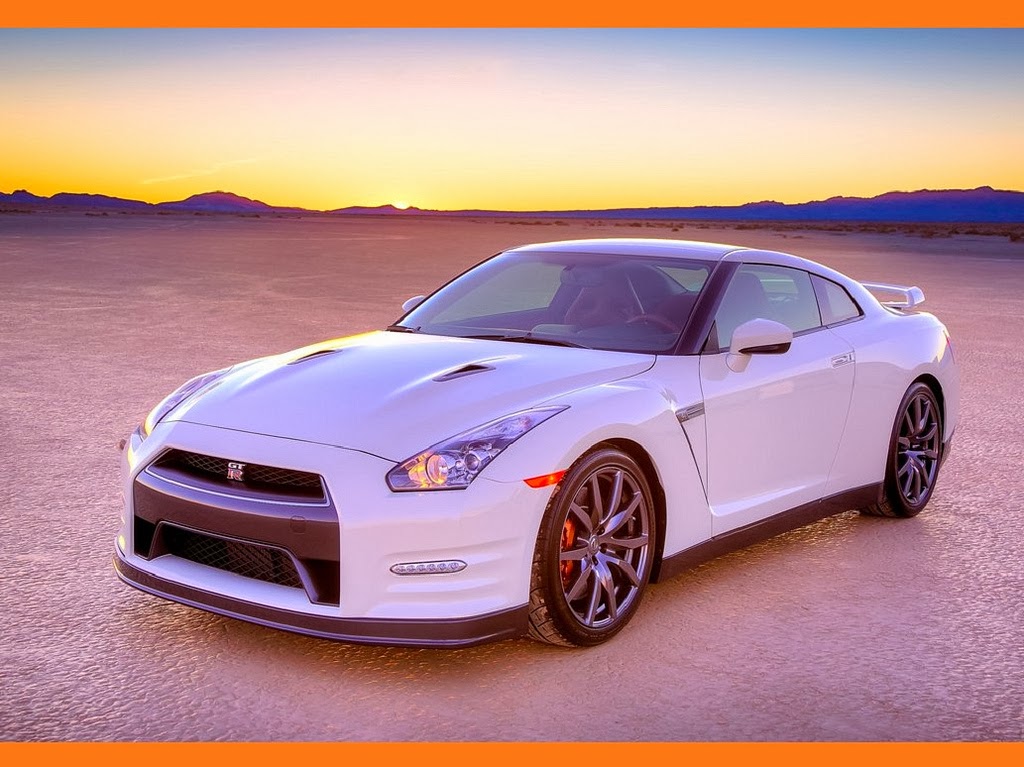
nissan 2014


nissan 2014

nissan 2014

nissan 2014

nissan 2014

nissan 2014

nissan 2014

nissan 2014

nissan 2014

nissan 2014

nissan 2014

nissan 2014

nissan 2014

nissan 2014

nissan 2014

nissan 2014

nissan 2014

nissan 2014

nissan 2014

nissan 2014

nissan 2014

nissan 2014

nissan 2014

nissan 2014

nissan 2014

nissan 2014

nissan 2014

nissan 2014

nissan 2014

nissan 2014

nissan 2014

nissan 2014

nissan 2014

nissan 2014

nissan 2014

nissan 2014

nissan 2014

nissan 2014

nissan 2014

nissan 2014

nissan 2014

nissan 2014

nissan 2014

nissan 2014

nissan 2014

nissan 2014

nissan 2014

nissan 2014

nissan 2014

nissan 2014

nissan 2014

nissan 2014

nissan 2014

nissan 2014

nissan 2014

nissan 2014

nissan 2014

nissan 2014

nissan 2014

nissan 2014

nissan 2014

nissan 2014

nissan 2014

nissan 2014

nissan 2014

nissan 2014

nissan 2014

nissan 2014

nissan 2014

nissan 2014

nissan 2014

nissan 2014

nissan 2014

nissan 2014

nissan 2014

nissan 2014

nissan 2014

nissan 2014

nissan 2014

nissan 2014

nissan 2014

nissan 2014

nissan 2014

nissan 2014

nissan 2014

nissan 2014

nissan 2014

nissan 2014

nissan 2014

nissan 2014

nissan 2014

nissan 2014

nissan 2014

nissan 2014

nissan 2014

nissan 2014

nissan 2014

nissan 2014

nissan 2014

nissan 2014

nissan 2014

nissan 2014

nissan 2014